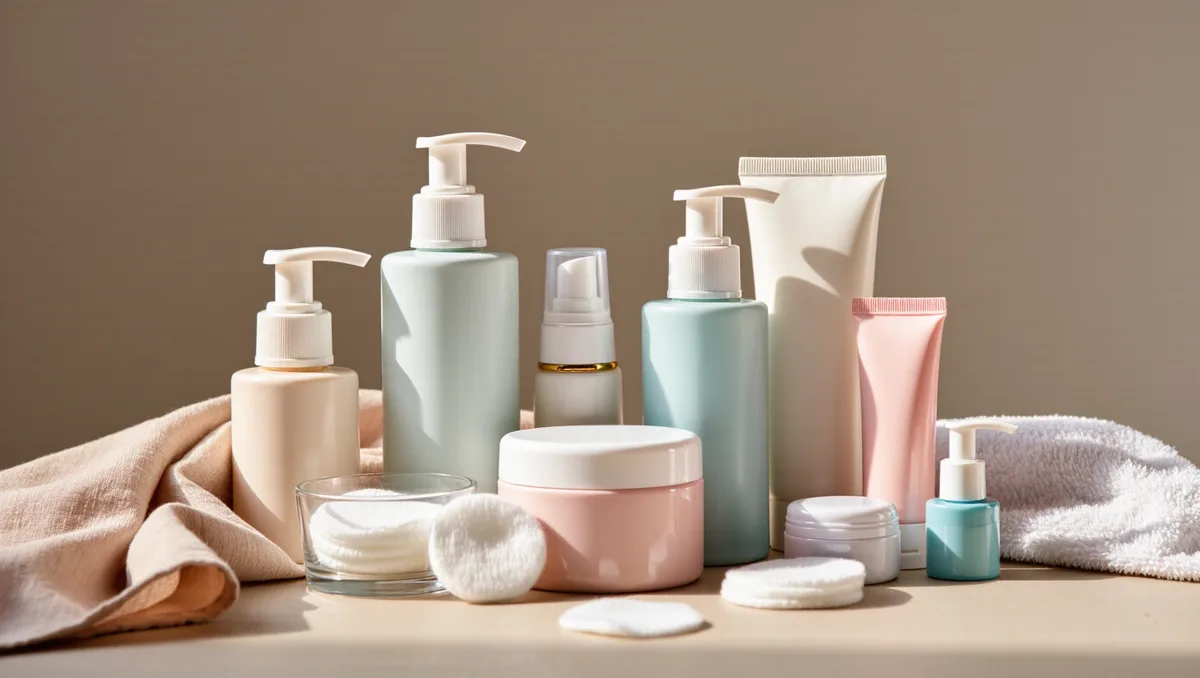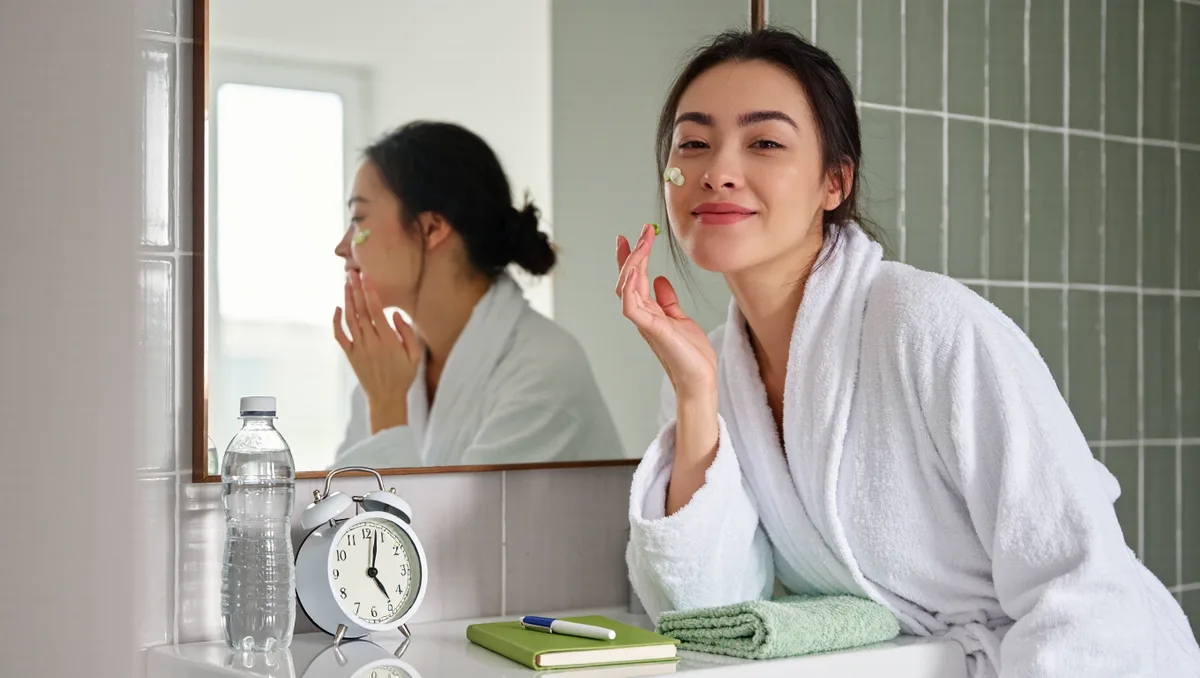

A beauty routine earns its place in one of two ways: through evidence, or through marketing. The steps with the strongest research behind them are few, and they are mostly unglamorous. Daily sun protection, a moisturizer that supports the skin barrier, and, for many people, a retinoid used gradually, sit at the top of the evidence hierarchy. Most of the rest of a crowded shelf is optional, and a few steps exist mainly because they photograph well.
This ranking is a guide to spending, not a prescription. Skin varies, and what suits one person's texture and sensitivities may not suit another's. Anyone with a persistent skin condition should bring these questions to a dermatologist rather than to a product page. It is also worth remembering that beauty itself resists a single standard. As Wikipedia's overview of beauty notes in its discussion of aesthetics, judgments of beauty have both objective and subjective sides, which is why the phrase "in the eye of the beholder" has lasted. The evidence below concerns skin health, which is measurable, not attractiveness, which is not.
Which steps are the non-negotiables?
Sun protection ranks first, and it is not close. Sunscreen is the rare skincare step whose main claim, reducing damage from ultraviolet exposure, rests on a large and consistent body of dermatology research. The details matter less than the habit: a formula a person will actually reapply beats a technically superior one left in a drawer. Readers weighing the two broad types can compare them in Mineral vs. Chemical Sunscreen: How the Two Types Differ, and the practical question of choosing a texture worth reapplying is covered in Sunscreen Science: How to Pick One You'll Reapply.
Moisturizer ranks second. Its role is less dramatic but well established: it supports the skin barrier, the outer layer that holds water in and keeps irritants out. A compromised barrier is associated with dryness, sensitivity, and stinging from products that once felt fine. The mechanics are explained plainly in Skin Barrier and Moisturizers, Explained. A short summary sentence follows naturally: protect first, then support the barrier. Everything else builds on those two steps.
Where do the active ingredients rank?
Retinoids come next. These are vitamin A-derived compounds, and they are among the most studied ingredients in skincare, with research supporting their role in skin cell turnover. The honest qualification is that they demand patience and gradual introduction, because irritation is common at the start. The evidence, and the realistic timeline, are laid out in Retinoids for Skin: What the Evidence Actually Supports.
Chemical exfoliants rank just below retinoids. Alpha hydroxy acids and beta hydroxy acids, often shortened to AHA and BHA, help shed dead surface cells. The evidence for their effect on texture and tone is reasonable, but they are overused often, and overuse works against the barrier that moisturizer exists to protect. The distinction between the two acid families is covered in Chemical Exfoliants: How AHA and BHA Acids Differ.
For acne specifically, the evidence favors a small set of established approaches over elaborate routines, a point developed in Acne Treatments: What the Research Shows Works. A gentle question is worth asking here: is the routine treating a condition, or performing one?
What about the middle shelf of serums?
Serums occupy a middle rank. Some have genuine research behind them, though usually narrower than marketing suggests. Vitamin C serums have antioxidant evidence behind them, with the caveats around formulation stability covered in Vitamin C Serums: What the Evidence Shows. Niacinamide has a growing research base for its calming and barrier-supporting role, described in Niacinamide in Skincare: Benefits Backed by Research. Hyaluronic acid, a humectant that draws water toward the skin surface, is well supported for hydration, though its effect is plumping rather than structural, as explained in Hyaluronic Acid and Skin Hydration: What Research Shows.
None of these are wasted money for a person who enjoys them. The realistic expectation is incremental improvement in how skin feels and, over time, how it looks. None will replicate the results of a prescription-strength treatment, and none will happen quickly. That is the honest middle rank: useful, modest, and often oversold.
What are the marketing inventions?
At the bottom of the ranking sit steps invented to sell rather than to solve. The clearest signals are claims that sound medical without being one: "detoxifying", "anti-pollution shields", and "skin resetting" are common examples. A product cannot detoxify skin in any defined sense, and no cream resets anything. Another signal is a routine that keeps growing. Ten-step layering is not more evidence-based than three steps; it is more expensive, and more layers raise the chance that one ingredient irritates another's user.
Price is a poor proxy for evidence in this category. A modest moisturizer with a short ingredient list can outperform a costly one built around a single trendy extract. The ingredient list and the concentration, not the packaging, are what a reader is actually paying for. What this means in practice: the fewer steps that exist for marketing reasons, the more likely the remaining routine survives its first month.
When should a routine become a dermatologist visit?
A routine is for maintenance, not diagnosis. Certain changes warrant professional attention rather than a new product: a mole that changes in size, shape, or color; acne that leaves scars or resists an established routine; persistent rashes, burning, or stinging that does not settle; and sudden hair thinning, which has its own evidence-backed treatment landscape described in Hair Loss Treatments: What the Evidence Supports. Nail changes are another case where a professional read beats a cosmetic guess, as covered in Nail Health: What Common Changes Do and Do Not Mean.
This article is information, not medical advice. A reader with symptoms should see a clinician, and a dermatologist can also settle the question of which evidence-backed steps a particular skin type actually needs. For broader context on everyday habits that support skin and general health, the site's wellness section collects related guides.
The takeaway on beauty routines and evidence
The evidence ranks a short list high and leaves most of the shelf behind it. Sunscreen, a barrier-supporting moisturizer, and, for many people, a patiently introduced retinoid carry the strongest research. Exfoliants and a few serum ingredients sit in the defensible middle. The rest is largely preference, and preference is allowed. The philosophy of beauty, as the Wikipedia overview linked above suggests, has always acknowledged that part of the judgment belongs to the beholder. The spending decision, though, can belong to the evidence.