
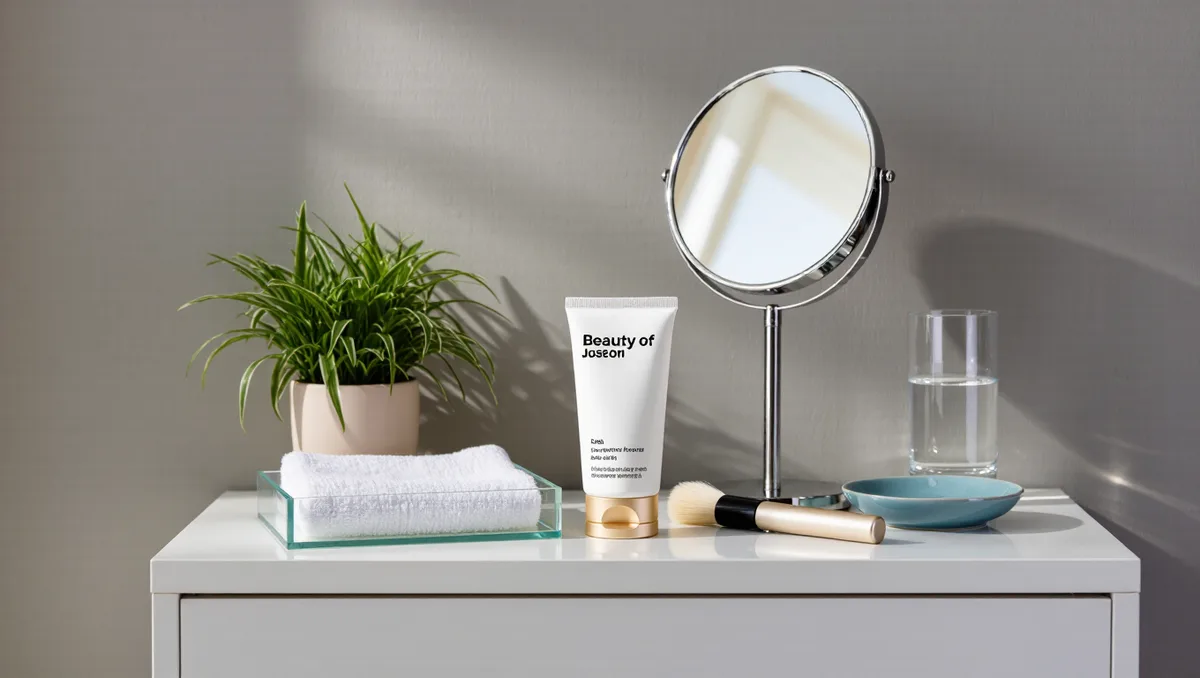
The best sunscreen is the one a person will actually reapply, and the fastest way to find it is to match the texture to the skin and the day. Per the FDA, a broad-spectrum sunscreen with an SPF of at least 15 is the baseline for meaningful protection. Everything beyond that — weight, finish, scent, how it sits under makeup — is about compliance, and compliance is where most routines quietly fail.
Korean formulas have become a useful case study in this. Products like the beauty of joseon sunscreen line built their reputation less on novelty and more on feel: lightweight, hydrating textures that sit comfortably on the face, which makes a second application at lunchtime far less of a chore. That shift — from protection as duty to protection as habit — is the real story in modern sunscreen.
This guide explains what the labels mean, how mineral and chemical filters differ, and why texture deserves as much attention as SPF. It is information, not medical advice; anyone with a skin condition or persistent irritation should bring the question to a dermatologist.
What do SPF and broad-spectrum actually mean?
SPF measures protection against sunburn, which is driven mainly by UVB rays. According to the FDA's sunscreen guidance, higher SPF values up to 50 provide greater sunburn protection, but SPF says little about UVA — the rays linked to skin aging. That is why the label to look for reads "broad-spectrum": it signals protection against both UVA and UVB radiation. The FDA also cautions against a common mistake. SPF is not a time multiplier. An SPF 15 product does not permit fifteen hours in the sun; solar intensity varies by hour of day and by latitude, so exposure depends on conditions, not the clock.
One plain-summary sentence follows. A broad-spectrum SPF 15 or higher, applied generously and reapplied, beats a high-SPF bottle used sparingly.
Mineral or chemical: does the filter type matter?
It matters mostly for feel and for sensitive skin, not for a simple ranking. As Wikipedia's sunscreen overview describes, sunscreens fall into two broad groups. Mineral (or physical) sunscreens use inorganic active ingredients — zinc oxide and titanium dioxide — which primarily absorb UV rays, with some reflection and scattering. Chemical (or organic) sunscreens use organic molecules that absorb UV and release it as heat. Hybrid formulas combine both.
Neither group is automatically better. Mineral filters tend to leave a cast and a heavier finish; chemical filters often feel lighter but can sting reactive skin. The fuller comparison lives in Mineral vs. Chemical Sunscreen: How the Two Types Differ. What matters for daily use is which texture a person tolerates well enough to repeat every two hours outdoors.
Why texture decides whether sunscreen gets reapplied
A sunscreen worn only on beach days is easy to choose. A daily face sunscreen is a different purchase entirely, because it has to coexist with moisturizer, makeup, and a commute. Heavy, occlusive formulas tend to slide under foundation; strongly scented ones can irritate skin already using actives such as retinoids or the exfoliating acids covered in Chemical Exfoliants: How AHA and BHA Acids Differ.
Korean skincare's influence here is largely about formulation philosophy. Many popular Korean sunscreens, Beauty of Joseon among them, lean into essences and lightweight creams that double as a hydration step, so the sunscreen feels like part of the routine rather than a layer on top of it. Hydrating ingredients such as glycerin and hyaluronic acid appear across many modern formulas; the evidence behind one of them is reviewed in Hyaluronic Acid and Skin Hydration: What Research Shows. A comfortable finish is not a luxury. It is the mechanism by which reapplication actually happens.
Roundup reviews reflect the same lesson from the other direction. In its 2026 sunscreen roundup, Consumer Health Digest rated products on categories including ease of use and protection level, and its top picks — from lightweight drugstore lotions to formulas aimed at acne-prone skin — cluster around comfortable, wearable textures rather than maximum SPF alone. The takeaway crosses markets: the finish on the skin predicts the habit, and the habit predicts the protection.
What this means for choosing a daily formula
A practical selection sequence, built from the FDA's labeling guidance and standard dermatologic practice, looks like this:
- Confirm the label says broad-spectrum and SPF 15 or higher.
- Match the format to the setting — a light lotion or fluid for the face, a cream or stick for easy touch-ups.
- Test the finish on a normal day, not a rushed one, to see how it sits alone and under makeup.
- Check how it interacts with the rest of the routine, including actives and any barrier-supporting moisturizers described in Skin Barrier and Moisturizers, Explained.
- Keep a format that makes midday reapplication realistic — a stick in a bag, a fluid at a desk.
People who find mineral formulas leave a white cast may prefer a hybrid or a newer chemical filter blend. People whose skin stings with chemical filters often do better with zinc-based options. Neither preference is wrong; both are routes to the same goal.
When sun protection needs a clinician's input
Sunscreen is one layer of photoprotection, alongside hats, shade, and timing. A dermatologist visit is worth scheduling when a new product causes burning, persistent bumps, or a rash that outlasts the application; when a mole changes in size, shape, or color; or when there is a personal or family history of skin cancer and questions about screening. Public-health bodies, including those cited in the Wikipedia overview, generally consider the benefits of approved sunscreens to outweigh their risks, but individual reactions deserve individual attention.
The honest conclusion: sunscreen science has made protection remarkably effective, but the bottleneck is no longer chemistry. It is comfort. Choosing a texture pleasant enough to reapply — whether that is a Korean rice-and-probiotic-style essence sunscreen, a drugstore fluid, or a simple zinc cream — does more for long-term skin health than any single label claim.