
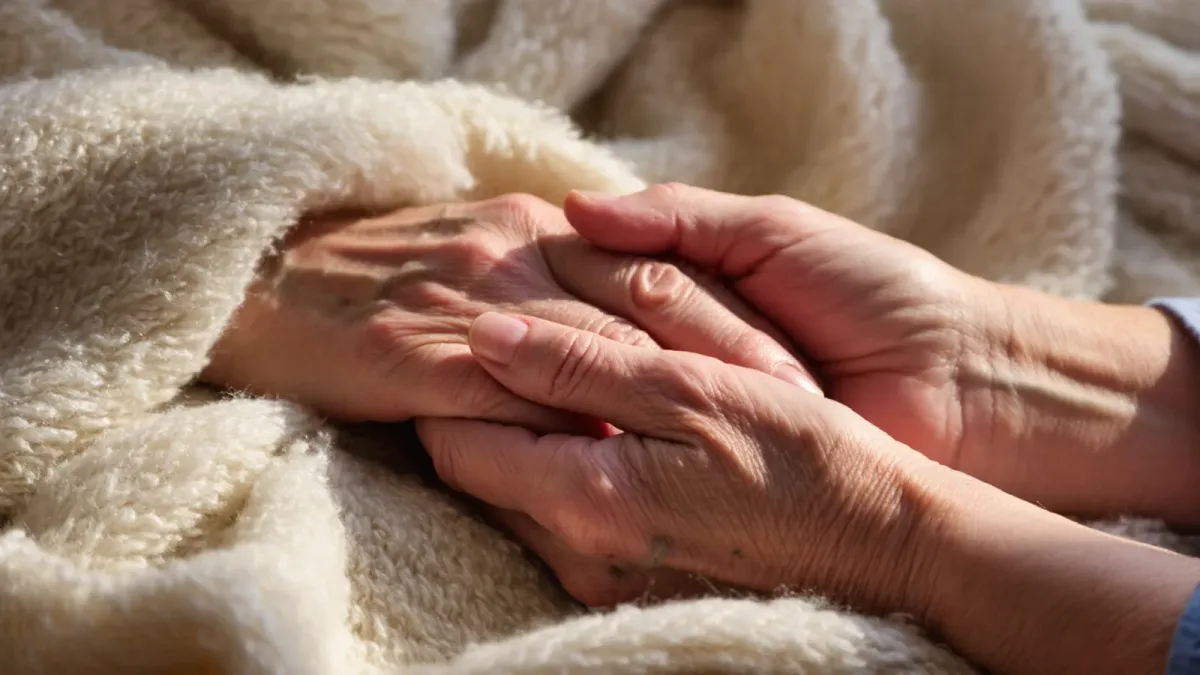
Social isolation raises the risk of early death by roughly a third: a 2015 meta-analysis in Perspectives on Psychological Science, covering more than 3.4 million people, found isolation increased mortality risk by 32 percent and loneliness by 26 percent. The WHO in 2023 called loneliness a global health priority.
This article reviews the evidence linking relationships to lifespan and health, and what appears to change those risks. Newspaper Daily publishes information, not medical advice; readers experiencing persistent loneliness or low mood should consult a qualified clinician.
How strong is the connection evidence?
The 2015 meta-analysis by Julianne Holt-Lunstad and colleagues is the most cited summary, but it built on her earlier 2010 analysis, which found that stronger social relationships increased the odds of survival by 50 percent across 148 studies and concluded that the mortality effect was comparable to established risk factors including smoking and exceeded the effects of obesity and physical inactivity.
The consistency across designs gives the finding weight. Similar associations appear in the Harvard Study of Adult Development, which has followed participants since 1938 and, per its researchers' published accounts, found relationship quality in midlife to be a better predictor of healthy aging at 80 than cholesterol levels. National cohort studies in the United Kingdom, Denmark, and Japan report parallel findings, though observational data cannot fully exclude reverse causation, since declining health can itself shrink social networks.
Cohorts in the United Kingdom and Japan report parallel patterns, which reduces the chance the finding is an artifact of any single dataset.
What is the difference between isolation and loneliness?
Researchers treat them as distinct. Social isolation is an objective state, a small network and infrequent contact. Loneliness is subjective, a gap between desired and experienced connection. A person can be isolated without feeling lonely, or feel lonely inside a busy household. The 2015 meta-analysis found all three measures carried independent mortality risk, and interventions increasingly target both: social prescribing builds contact, while cognitive approaches address how people appraise their relationships.
How might relationships change biology?
Several mechanisms have research support.
- Inflammation. Work by psychologist Steve Cole and colleagues found that chronic loneliness was associated with upregulated inflammatory gene expression in immune cells, a pattern the researchers describe as conserved transcriptional response to adversity.
- Stress physiology. Isolated people show flatter daily cortisol rhythms and elevated blood pressure in multiple studies, consistent with sustained activation of the stress axis.
- Behavior. Social ties shape sleep, diet, physical activity, and medical adherence. A 2015 study in Sleep found that lonelier older adults had more fragmented sleep, and spouses frequently prompt medication adherence.
- Cognitive reserve. Frequent social activity is associated with slower cognitive decline in aging cohorts, possibly through cognitive stimulation itself.
Is loneliness really as bad as smoking 15 cigarettes a day?
The comparison comes from the 2010 Holt-Lunstad analysis and was popularized by a 2023 U.S. Surgeon General advisory on loneliness and isolation, which estimated loneliness-related mortality risk at a level comparable to smoking up to 15 cigarettes daily. Critics note that the comparison compresses complex effect sizes into a single memorable figure and that individual risk varies enormously. The underlying claim, that chronic disconnection carries mortality risk comparable to major behavioral risk factors, is what the pooled data support.
Related stories: Alcohol and Health: What the Evidence Really Says · Sleep Hygiene: Which Habits Actually Work, According to the Evidence.
Which groups face the highest risk?
Per the Surgeon General's advisory, more than half of surveyed U.S. adults reported measurable loneliness even before the pandemic. Older adults living alone, adolescents and young adults, people with disabilities, and low-income communities report elevated rates, and national surveys in the United Kingdom and Japan have documented rising disconnection over two decades. A 2023 study in JAMA found that loneliness among U.S. young adults rose sharply during the pandemic years, with limited recovery in subsequent surveys.
What actually reduces loneliness?
Evidence from randomized and naturalistic studies points to several approaches.
Social prescribing
England's National Health Service formalized social prescribing in 2019, referring patients to community groups and activities. Early evaluations reported improvements in wellbeing and reduced primary care use, though a large 2022 trial in Scotland found the effects on loneliness were modest, suggesting that connection programs help some patients more than others.
Cognitive interventions
A 2010 meta-analysis of loneliness interventions by Masi, Chen, Hawkley, and Cacioppo found that programs targeting maladaptive social cognition, how people interpret social cues, produced larger effects than simple social contact provision, a finding that surprised the field.
Volunteering
A 2013 meta-analysis in Psychology and Aging found that volunteering was associated with reduced mortality risk among older adults, with effect sizes modest but consistent across cohorts. Causation again runs both directions, since healthier people volunteer more.
Group-based activity with a shared purpose
Programs combining regular attendance, shared tasks, and repeated contact, such as choirs, sports leagues, and classes, appear in the intervention literature more often than passive formats, consistent with research on friendship formation showing that proximity and repeated unplanned interaction drive relationship building.
Does quality of relationships matter more than quantity?
The Harvard study team argues it does, reporting across published papers that satisfaction with relationships in midlife predicted late-life health more strongly than network size, and that high-conflict marriages were associated with worse health outcomes than being single. The distinction matters practically: adding contacts does not guarantee benefit if the interactions feel draining, while a handful of reliable close ties shows the strongest associations in most cohorts. Researchers also note a bidirectional loop, since people who feel lonely tend to appraise social threats more negatively, which can make re-engagement harder without support.
What can individuals take from the research?
Investigators in this field, including Holt-Lunstad, emphasize that the evidence supports regularity and reliability rather than grand gestures: a standing weekly commitment with the same group, a recurring call with a family member, or a neighborly routine repeated often enough for familiarity to form. Studies of friendship formation suggest that roughly 40 to 60 hours of shared time underpins the shift from acquaintance to friend, per research published by University of Kansas professor Jeffrey Hall in 2019, which explains why sporadic contact rarely produces close ties. None of this replaces clinical care where isolation accompanies depression, but it frames connection as a health behavior with a cumulative dose-response pattern.
When to see a doctor
Persistent loneliness lasting months, withdrawal from previously enjoyed activities, or feelings of worthlessness warrant clinical evaluation, both because depression can present as disconnection and because chronic loneliness responds to treatment approaches including cognitive behavioral therapy. Sudden unexplained weight change, insomnia, or hopelessness should be assessed promptly. Clinicians in many health systems now screen for isolation during routine visits, and asking for a referral to community services or counseling is a reasonable step. Anyone experiencing thoughts of self-harm should contact emergency services or a crisis line immediately.