
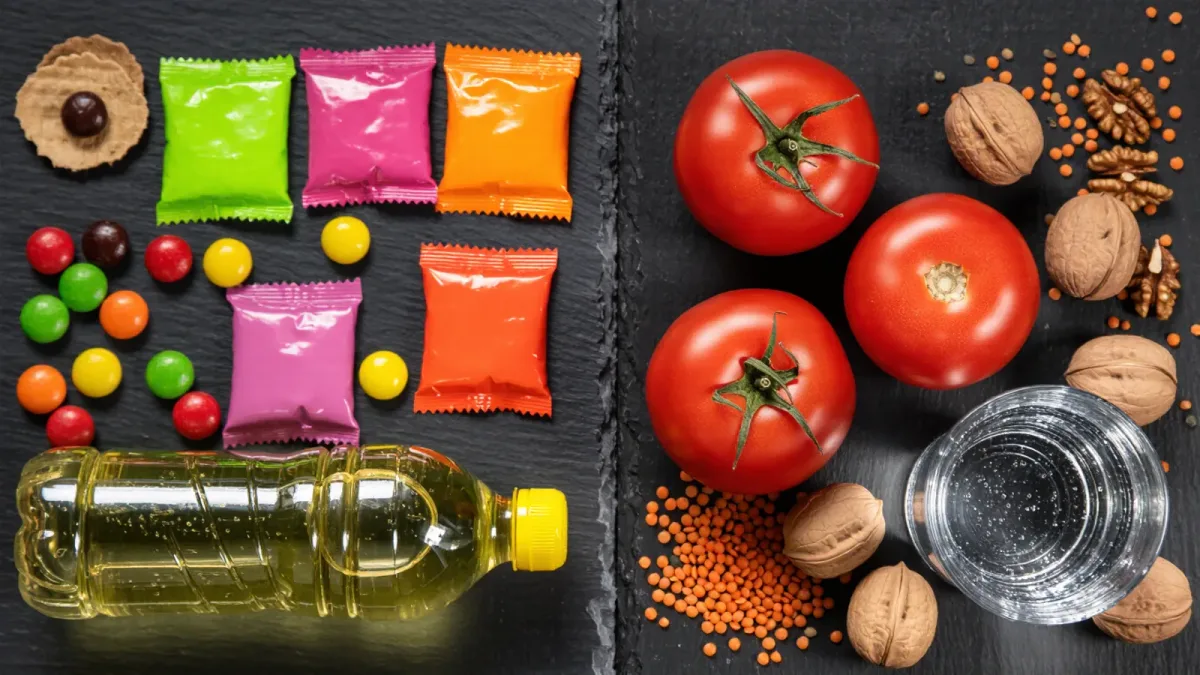
Ultra-processed foods account for well over half of the calories in the average American diet — about 57 percent of daily energy for adults per a 2016 analysis of National Health and Nutrition Examination Survey data — and a growing body of observational research associates diets high in them with higher risks of cardiovascular disease, type 2 diabetes, and all-cause mortality. What the science has not yet settled is how much of that risk comes from processing itself rather than from the sugar, salt, and refined fats these products tend to contain.
Newspaper Daily publishes information, not medical advice. This article reviews published research and regulatory activity as of early 2026 and is not a substitute for individual guidance from a physician or registered dietitian, especially for people managing chronic conditions.
What counts as an ultra-processed food?
The dominant definition comes from the NOVA classification, developed by researchers at the University of Sao Paulo and introduced in 2009. NOVA sorts foods not by nutrients but by the extent and purpose of processing into four groups: unprocessed or minimally processed foods; processed culinary ingredients; processed foods such as canned vegetables and simple cheeses; and ultra-processed foods — industrial formulations assembled mostly from substances derived from foods, with cosmetics-style additives, little intact whole food, and typically long ingredient lists.
Under NOVA, everyday ultra-processed items include soft drinks, packaged snack chips, instant noodles, many breakfast cereals, mass-produced packaged breads, reconstituted meat products such as nuggets, candy, and most packaged cookies. Classification can be awkward at the edges — plain yogurt, whole-grain bread, and hummus have all been placed differently across studies — which researchers cite as a limitation of the entire literature.
What have observational studies found?
The association literature is large and fairly consistent in direction. A 2019 cohort study of more than 100,000 French adults in JAMA Internal Medicine found each 10-percentage-point increase in UPF share of diet was associated with a 12 percent higher risk of overall cancer. Analyses published in 2021 drawing on the UK Biobank associated the highest UPF intake with higher risks of cardiovascular disease and all-cause mortality. A 2023 umbrella review in The BMJ — the most comprehensive synthesis to that date — concluded that diets high in ultra-processed food were consistently associated with increased risks of cardiovascular events, type 2 diabetes, overweight, depression, and mortality, while grading most included evidence as of low certainty.
These are observational findings. People who eat the most ultra-processed food tend to have lower incomes, smoke more, exercise less, and eat fewer fruits and vegetables, and even the best statistical adjustment cannot remove confounding entirely. The umbrella review's authors said as much: consistent associations, uncertain causation.
What did the controlled feeding trial show?
The strongest causal evidence to date concerns calories rather than disease endpoints. A 2019 randomized controlled feeding trial at the National Institutes of Health, led by Kevin Hall and published in Cell Metabolism, admitted 20 adults to a research ward for a month and alternated two weeks of ultra-processed and unprocessed diets matched for presented calories, sugar, fat, fiber, and macronutrients. Participants ate about 500 more calories per day on the ultra-processed diet and gained roughly two pounds during those two weeks; they lost similar amounts on the unprocessed diet.
The trial was small and short, but its ward design removed the confounding that weakens cohort studies, and it suggests that something about ultra-processed foods — texture, eating speed, energy density, palatability — promotes overconsumption. Follow-up modeling work by the same group in 2021 proposed that differences in eating rate and food texture could explain much of the calorie gap.
Related stories: Sodium Intake Guidelines: How Much Is Too Much? · Mediterranean Diet: What the Evidence Actually Shows.
Which health outcomes are most strongly linked?
Based on the 2023 umbrella review and subsequent cohorts, the associations with the most consistent support include:
- Cardiovascular disease and cerebrovascular events
- Type 2 diabetes
- Overweight and obesity
- All-cause mortality
- Depressive symptoms and common mental disorders
- Irritable bowel syndrome symptoms and abdominal obesity in some analyses
For cancer, associations are weaker and site-specific, with overall cancer and breast cancer showing modest links in French and US cohorts. Researchers caution that because ultra-processed diets displace fiber-rich foods, some apparent risk may reflect what is missing rather than what is added.
Do additives explain the risk?
Partly, possibly — but the evidence is patchy. Regulatory scientists note that additives approved in the United States have passed pre-market review, while NOVA researchers argue the additive question is secondary to the foods' overall formulation. Several specific substances have drawn regulatory attention: in 2023, the WHO's International Agency for Research on Cancer classified aspartame as possibly carcinogenic while joint expert committees retained the existing acceptable daily intake; in 2024, California banned several food dyes in school foods and the FDA revoked the authorization of brominated vegetable oil; and in January 2025 the FDA announced the phase-out of Red Dye No. 3 in foods. Nonsugar sweeteners drew a 2023 WHO conditional recommendation against their use for weight control, based on evidence the organization judged of low certainty.
Is all processing bad?
No, and researchers are emphatic on this point. Canned beans, frozen vegetables, pasteurized milk, and fortified staples are processed foods that public health guidance actively encourages. NOVA's critics — including several food scientists writing in Trends in Food Science and Technology — argue the scheme lumps nutritionally useful products, such as whole-grain packaged breads and unsweetened yogurts, together with candy and soda, and that nutrient-based measures like the Food Compass system rank some of the same foods favorably. The debate over how to regulate and label UPF is, at bottom, a debate about whether processing or nutrients should anchor dietary policy.
What can a person realistically do?
Given that causation is unproven but the associations span many outcomes, dietitians generally suggest reduction rather than elimination. Practical steps discussed in clinical commentary include cooking a few more meals from basic ingredients each week; keeping frozen vegetables, canned legumes, and canned fish — minimally and moderately processed items — on hand for fast meals; reading ingredient lists for length and purpose rather than demonizing single additives; and prioritizing displacement of the categories with the strongest associations, notably sugary drinks and processed meats. A 2024 Spanish cohort analysis suggested that even within higher UPF intake, choices aligned with Mediterranean-style principles showed attenuated risks — an observational finding, but a pragmatic one.
When to see a doctor or registered dietitian
Professional input is warranted when digestive symptoms, weight changes, or blood pressure and glucose readings are moving in the wrong direction; when food access, budget, or time make cooking difficult, since a dietitian can build realistic minimal-cooking plans; when disordered-eating patterns make rigid food rules harmful, as absolutist framing of "clean" versus "dirty" foods can worsen them; and for children and adolescents, whose dietary patterns track into adulthood and whose intake of sugary drinks and snacks has drawn separate pediatric guidance from the American Academy of Pediatrics.
The bottom line on ultra-processed foods and health
The observational record links high UPF intake to cardiovascular disease, diabetes, and mortality, and a rigorously controlled NIH ward trial showed the foods drive roughly 500 extra calories a day compared with matched unprocessed meals. Whether processing itself, nutrient profiles, or displacement of whole foods carries the risk remains unsettled — as does the policy response, which by early 2026 includes state-level dye bans and an FDA moving against specific additives while federal dietary guidance agencies weigh how, or whether, to name ultra-processing in the next edition of the Dietary Guidelines.